

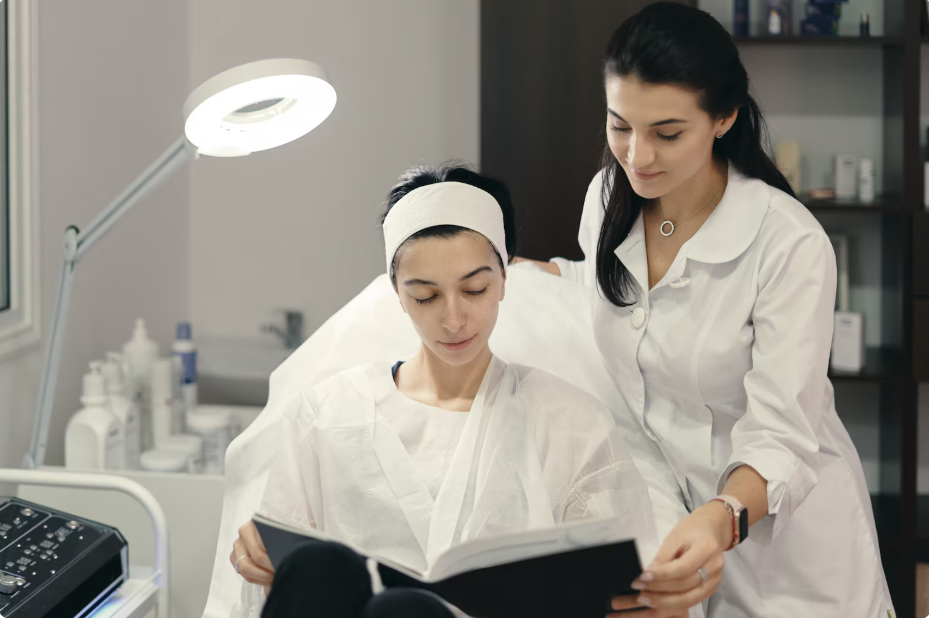
The under-eye area is one of the first regions to show visible signs of fatigue and aging. Dark circles, hollowness, puffiness, and fine lines can make even a well-rested person appear tired or stressed. While concealers and skincare products may provide temporary coverage, long-term correction requires a medically guided approach based on accurate diagnosis.
Under-eye rejuvenation is not a one-size-fits-all procedure. It demands expertise, facial anatomy knowledge, and personalized planning to achieve natural, refreshed results.
Understanding the Real Cause of Dark Circles
Before selecting a treatment, it’s important to identify the root cause. Dark circles generally fall into four main categories:
1. Volume Loss (Tear Trough Hollowing)
As we age, collagen and fat beneath the eyes gradually diminish. This creates a hollow appearance, forming shadows that look like dark circles. In such cases, pigmentation treatments alone will not help — volume restoration is required.
2. Pigmentation
Excess melanin production around the eyes can lead to brown or grayish discoloration. This is more common in deeper skin tones and often worsens with sun exposure.
3. Vascular Visibility
Thin under-eye skin can make blood vessels more visible, creating a bluish or purplish tint.
4. Lifestyle Factors
Poor sleep, dehydration, stress, allergies, and prolonged screen time can temporarily worsen dark circles and puffiness.
Because multiple causes often coexist, seeking consultation at the best Cosmetic clinic in dubai ensures a comprehensive evaluation before treatment begins.
Advanced Treatment Options for Under-Eye Rejuvenation
Modern aesthetic medicine offers several safe and effective solutions depending on diagnosis.
Tear Trough Fillers for Volume Loss
Hyaluronic acid-based dermal fillers are commonly used to restore under-eye hollowness. When injected precisely along the tear trough, they:
· Reduce shadowing
· Smooth transition between lower eyelid and cheek
· Provide immediate improvement
· Maintain natural facial expression
Precision is critical in this delicate area. Proper depth, product selection, and technique determine both safety and longevity.
Laser Therapy for Pigmentation & Texture
When pigmentation is the primary concern, laser treatments can help break down melanin deposits and stimulate collagen. Fractional and Q-switched lasers are often used to:
· Lighten discoloration
· Improve skin thickness
· Reduce fine lines
Patients seeking pigmentation-focused solutions often benefit from consulting an Expert Dermatologist for Pigmentation to ensure safe protocols tailored to their skin type.
PRP (Platelet-Rich Plasma)
PRP therapy uses the patient’s own growth factors to stimulate collagen production and improve skin quality. It is especially useful for:
· Fine crepey texture
· Mild pigmentation
· Early signs of aging
PRP delivers gradual improvement and works well for individuals preferring natural regenerative treatments.
Skin Boosters for Deep Hydration
Injectable skin boosters improve hydration and elasticity in the under-eye region. They:
· Reduce fine lines
· Enhance skin glow
· Improve resilience
This option is ideal for patients with thin, dehydrated skin.
Why Accurate Diagnosis Is Essential
Treating pigmentation with fillers or injecting volume into pigmented skin without correcting discoloration can lead to unsatisfactory outcomes. A structured consultation includes:
· Skin thickness assessment
· Facial proportion evaluation
· Medical history review
· Realistic expectation discussion
Under-eye rejuvenation requires a conservative and strategic approach to avoid puffiness or overcorrection.
Preventive Measures & Lifestyle Support
While professional treatments provide correction, lifestyle adjustments enhance results:
· 7–8 hours of quality sleep
· Adequate hydration
· Daily broad-spectrum sunscreen
· Limiting excessive screen exposure
· Managing allergies
Consistency in skincare maintenance extends treatment longevity.
Safety & Expertise Matter
The under-eye area contains delicate blood vessels and thin skin. Incorrect injection technique can lead to complications such as swelling, unevenness, or vascular issues. Therefore, always choose:
· Board-certified aesthetic practitioners
· Clinics following sterile protocols
· FDA-approved products
· Transparent consultation processes
Professional expertise significantly reduces risks and ensures natural-looking outcomes.
How Long Do Results Last?
Treatment longevity depends on the chosen method:
· Fillers: 9–18 months
· PRP: Gradual improvement over multiple sessions
· Laser: Requires maintenance depending on pigmentation severity
· Skin Boosters: 6–12 months
Maintenance sessions are usually recommended for sustained improvement.
Who Is an Ideal Candidate?
You may benefit from under-eye rejuvenation if you:
· Look tired despite adequate rest
· Notice hollowness or shadowing
· Have persistent dark pigmentation
· Want subtle, natural correction
However, patients with severe under-eye bags caused by fat protrusion may require surgical evaluation instead.
The Emotional Impact of Under-Eye Concerns
Dark circles often affect confidence. Many patients report feeling self-conscious in professional or social settings. Subtle rejuvenation can significantly enhance self-esteem without altering facial identity.
The goal is not transformation — it is restoration.
Final Thoughts
Under-eye rejuvenation is both an art and a science. It requires careful assessment, precise technique, and a personalized plan to achieve natural, refreshed results. Whether the concern is pigmentation, volume loss, or fine lines, modern aesthetic treatments offer safe and effective solutions when guided by medical expertise.
If you’re considering under-eye treatment, prioritize professional consultation and evidence-based care. The right approach restores brightness to your eyes — and confidence to your overall appearance.
