

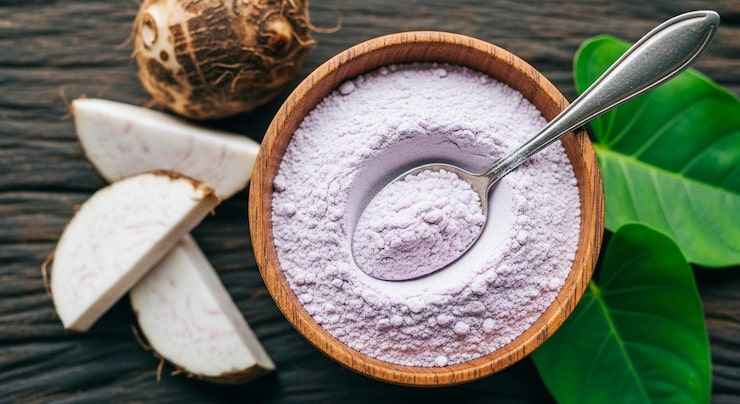
Its vivid violet hue often steals the spotlight, yet the real strength of ube powder lies in its versatility. If you are wondering how to use it beyond eye-catching desserts, you are not alone. Many people discover ube through social media trends, then quickly realise there is much more behind its distinctive colour. Derived from purple yam traditionally cultivated in the Philippines, ube powder concentrates flavour, aroma and colour into a shelf-stable form that is easy to measure and store. Its taste is subtly sweet with nutty and vanilla-like notes, which makes it adaptable across both sweet and savoury preparations. Understanding how to use it properly allows you to control texture, flavour balance and visual impact. Whether you bake at home, experiment with plant-based recipes or simply want to enrich your meals with something different, this ingredient offers a wide range of practical possibilities.
Baking with ube powder for depth and colour
One of the most common applications of ube powder is in baking. Its concentrated nature makes it particularly suitable for recipes where moisture must remain controlled. Unlike fresh purple yam, the powdered form does not add excess liquid, which means it can be incorporated directly into dry ingredients such as flour or sugar. This helps maintain structural integrity in cakes, biscuits and pastries. In sponge cakes, ube powder blends smoothly when sifted with flour, creating a naturally purple crumb without artificial colouring. The flavour is gentle, slightly nutty, with subtle hints reminiscent of vanilla. It pairs well with coconut milk, white chocolate and cream cheese, producing desserts that are visually striking yet balanced on the palate.
Brownies gain both colour and a mild sweetness when part of the cocoa is replaced with ube powder. Shortbread biscuits benefit from a small percentage added to the dough, resulting in a crisp texture and delicate aroma. In enriched doughs such as brioche or cinnamon rolls, ube powder can be kneaded into the flour mixture to create a vibrant swirl. The key lies in proportion. Typically, replacing 5–15% of flour weight yields a noticeable effect without compromising structure. Higher amounts intensify colour yet may require slight hydration adjustments. Think of it as adding a brushstroke of violet to your baking canvas; precision creates harmony.
Incorporating ube powder into drinks and lattes
Beyond baking, ube powder performs exceptionally well in beverages. Its fine texture dissolves more easily when first mixed with a small amount of warm liquid, forming a smooth paste before dilution. This prevents clumping and ensures uniform colour distribution. Ube lattes have become increasingly popular. Blended with steamed milk and lightly sweetened, the result is creamy and aromatic without excessive sugar. The flavour profile complements both dairy and plant-based milks such as oat or coconut. For iced preparations, dissolving the powder in warm water before pouring over cold milk helps maintain smoothness.
Smoothies benefit from a teaspoon of ube powder added directly to the blender. It contributes colour, mild sweetness and a subtle earthiness that balances fruits like banana or mango. When mixed with yoghurt and honey, it creates a vibrant breakfast bowl base. For those looking for quality ingredients, selecting a reliable source of ube powder ensures consistent flavour and colour intensity. Product quality influences solubility and final taste, especially in beverages where texture matters.
In hot chocolate, a small amount can replace part of the cocoa powder, producing a layered flavour with a softer finish. Cocktail enthusiasts also experiment with ube-infused syrups, combining sugar, water and ube powder to create a naturally tinted sweetener.
Enhancing savoury dishes with subtle sweetness
Although often associated with desserts, ube powder can enhance savoury recipes when used thoughtfully. Its mild sweetness acts as a background note rather than a dominant flavour. In mashed root vegetables, a small spoonful blended into potatoes introduces colour variation and depth. Soups gain visual appeal when ube powder is whisked into creamy bases. A coconut and vegetable soup, for example, becomes both aromatic and distinctive with the addition of purple yam notes. The sweetness balances spices such as ginger or mild chilli without overwhelming them.
Ube powder can also be incorporated into homemade pasta dough. When kneaded into flour with eggs or water, it creates a vibrant purple pasta that retains its hue after cooking. Paired with neutral sauces such as butter and sage, the flavour remains delicate yet memorable. In rice dishes, blending a modest quantity into cooking liquid produces a lightly tinted grain with subtle aroma. This approach works particularly well in festive or themed meals where presentation is essential.
Its potential in savoury cooking rests on restraint. Too much may shift the balance towards sweetness, while controlled use adds dimension, similar to a gentle undercurrent shaping the whole composition.
Ube powder in plant-based and gluten-free recipes
Because it is naturally gluten-free, ube powder integrates easily into alternative baking. In gluten-free cakes, it can partially replace starches, contributing both flavour and colour. When combined with almond flour or rice flour, it enhances texture without introducing heaviness. Plant-based recipes benefit from its compatibility with coconut milk, oat cream and nut butters. Vegan cheesecakes, for instance, use blended cashews and coconut cream as a base. Adding ube powder provides both hue and gentle sweetness, reducing the need for artificial colourants.
Energy bites and protein bars can include ube powder for natural flavour enhancement. Mixed with oats, nut butter and dates, it produces a visually appealing snack without synthetic additives. The appeal in health-conscious cooking lies in its simplicity. It contains no added sugars when pure, allowing cooks to control sweetness levels precisely. Its powdered form ensures longer shelf life compared to fresh root vegetables, making it practical for regular use.
Storage, dosage and practical tips
Proper storage ensures longevity. Keeping ube powder in an airtight container away from humidity preserves both colour and flavour. Exposure to moisture may cause clumping, which affects measurement accuracy. Dosage depends on application. For baking, 1–2 tablespoons per standard cake recipe provide noticeable colour. In beverages, one teaspoon per cup is usually sufficient. Gradual adjustment allows better control over intensity. When blending into liquids, creating a paste first avoids uneven distribution. In doughs, sifting together with flour prevents lumps. Heat stability remains good under normal cooking temperatures, although prolonged high heat may slightly dull the purple tone.
A colourful ingredient with genuine versatility
Ube powder proves that visual appeal can coexist with practical culinary value. Its uses range from baked goods to drinks and savoury creations, offering both flavour and aesthetic depth. When handled with balance and precision, it becomes more than a trend-driven ingredient. Have you considered how it might reshape your everyday recipes?
